
Inequality, Atrocity and Hatred
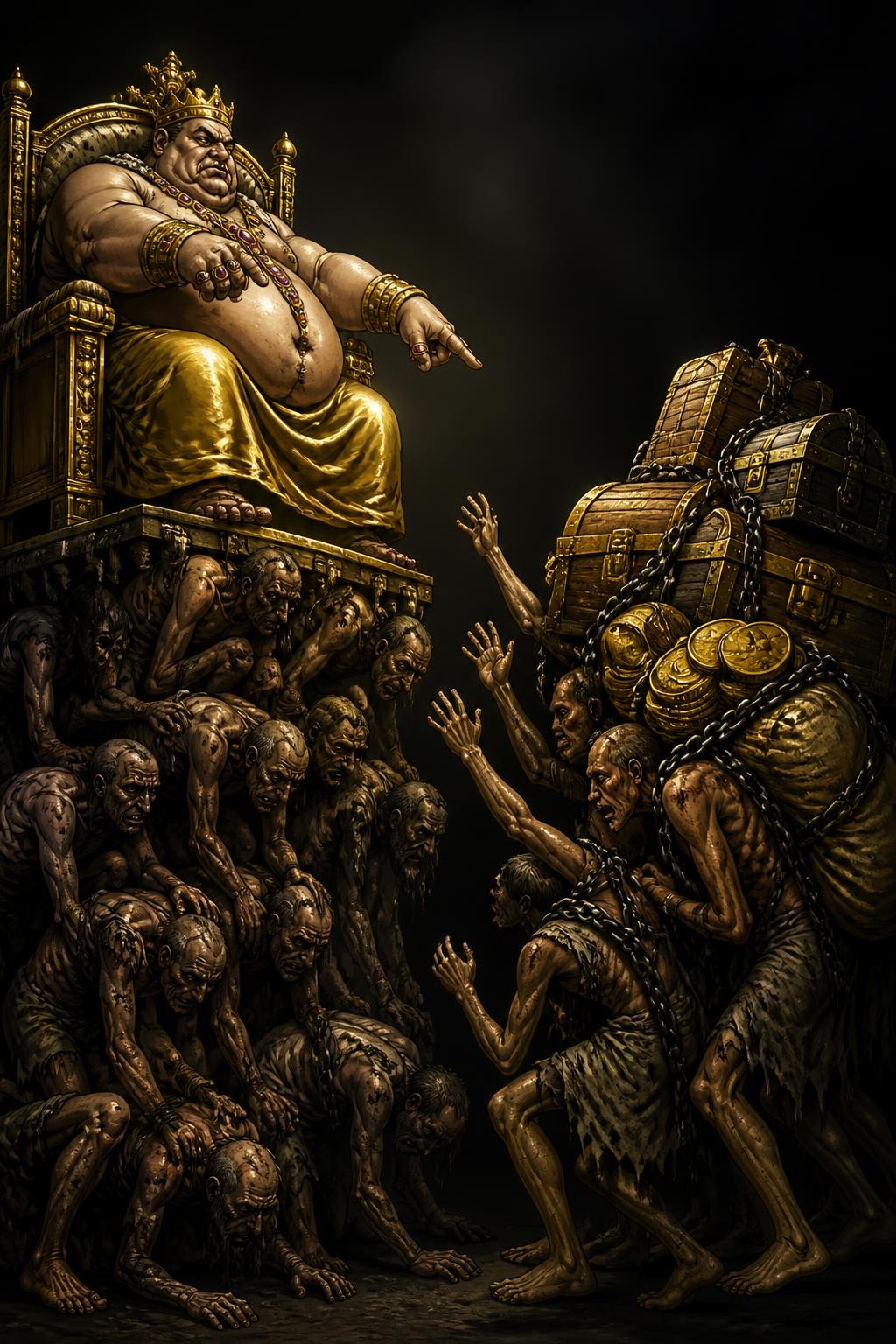
On 15 August 1947, we gained independence from British colonial rule after a struggle for more than 200 years and became a democratic nation. Therefore, there is a reason to celebrate, but the freedom for people is continued. After independence, we envisioned a democracy grounded in freedom, liberty, equality, justice, and fraternity for all citizens, regardless of caste, creed, religious faith, or sexual orientation. Over nearly eight decades, we have progressed significantly and developed into a democratic and republic state. The economy has advanced, poverty rates have significantly decreased, and living standards have improved. However, political freedom and economic growth have primarily benefited a select few more than the general public, leading to stark inequalities in access to political and economic freedom. Social discrimination and atrocities are continued and paramount. The incidents of hate speech and religious intolerance have increased. The quest for equality, social justice and religious freedom is still a matter of concern. Therefore, the freedom of and for the people, mainly the oppressed section of the society—the Scheduled Caste (SC), Scheduled Tribes (ST) and religious minorities like Muslims and Christianity—is continued.
Freedom from British Rule and Feudal Lords
During the independence struggle, we had the unfreedom from the combined force of the British and the feudal rulers. The feudal rule lasted more than a thousand years, five times more than the British rule. We got rid of British rule but have not received freedom from the feudal rules in a true sense. Although we got freedom from feudal rule by paying vast amounts of money (the privy purse) still, they have continued to rule the masses politically, culturally, spiritually and mentally in many parts of India. All the feudal rulers continued to live in the same place where they created their estates. They entered into democratic politics and became the political leaders of their previous estate. They had not only colonised the early inhabitants and captured their land but also had imposed their culture, religion and spirituality. They had hijacked the culture and spirituality of the early inhabitants and became the guardians of the early habitants. They erased the history and culture of early inhabitants and created the feudal subservient history and culture. Therefore, the early inhabitants’ struggle was for both British rulers and Feudal lords, and their struggle for the feudal imposed social system, including religion, culture, and spirituality, continued. Early inhabitants’ history, religion, culture, and spirituality are yet to be fully realised and reclaimed.
Widening Income and Wealth Inequality
According to Bharti, Chancel, Piketty, & Samanchi (2024), we are living in an era of high income and wealth inequality in the last century.[i]The top 1% of earners now receive 22.6% of the total pre-tax income, which is a substantial jump from the 7.3% in 1980. The richest 1% of India’s population now holds over 40% of the nation’s total wealth, a significant increase from the 12.5% in 1980. A considerable number of adults possess almost no wealth, with the bottom half of the population holding a mere 6.4% of the nation’s total wealth. There is an extreme concentration of wealth at the apex of the pyramid. The wealthiest 1% own 40% of all wealth, the top 0.1% have 30%, the top 0.01% command 22%, and the top 0.001%—less than 10,000 individuals—hold an astonishing 17% of the wealth. Consequently, the collective wealth of this extremely small group is nearly triple that of the bottom 50% of the population, which includes around 46 crore people.
According to them, India initially experienced a reduction in income and wealth disparities after independence. However, from the 1980s onward, these inequalities began to increase, with a particularly sharp rise from the 2000s. The period between 2014 –15 and 2022 –23 saw a notable surge in the concentration of wealth among the wealthiest individuals. This is an awakening call for Indian democracy.
Social Inequality and the Quest for Justice and Equality
The untouchability and discrimination against the Scheduled Castes (SC) and Scheduled Tribes (ST) are not a practice of the past but it is continued. Throughout the years, atrocities against Dalits and Adivasis have been reported all over India. Even today, there are Incidents of assault on Dalits after touching food and water, and groom ride horses during their marriage procession and sporting moustaches. Adivasis have also been assaulted on various occasions. In Madhya Pradesh, a local political leader from the forward caste urinated on a tribal man. Tribal Christians in Chhattisgarh are being attacked because of Christianity.[ii]Multiple examples can be found in various local, regional, and national media reports.
The crime against SC in all the states is 57428, which is an increase of 13.1% from 2021 (50,900 cases). The crime rate registered showed an increase from 25.3 in 2021 to 29.1 in 2022.[iii] Similarly, in 2022, there were 10,064 reported incidents of crimes against ST, which is a 14.3% rise from the 8,802 cases documented in 2021. The crime rate for offences against STs went up from 8.4 incidents per 100,000 ST individuals in 2021 to 9.6 in 2022.
Increasing Hate Speech and Religious Atrocity
Whether brotherhood within the communities has increased or decreased is another aspect of the fraternity of the country, but incidents of hate speech are rampant in social and mainstream media. Openly in TV debates, social gatherings, political rallies, and religious gatherings, people’s representatives and political and religious leaders have made hate speech against minority communities. In 2023, the Supreme Court of India, against a petition to curve hate speeches, passed a directive to all states and union territories to take suo-moto cognisance of hate speeches and register FIRs. The US Department of the United States also highlighted the incidents of hate speech and other intolerance for religious minorities like Christian and Muslim communities.[iv] Similarly, India Hate Lab documented 668 hate speech incidents in 2023. According to the report, 239 of these hate speech incidents “directly called for violence against Muslims,” 420 “promoted conspiracy theories, primarily related to love jihad, land jihad, halal jihad, and population jihad,” and 169 speeches “advocated for targeting Muslim places of worship.”[v]
About the Author:
Dr Deepak Kumar Nanda is a researcher and public policy analyst. He is the founding Editor of the Democracy and Development Insights.
For Further Reference:
[i] WorldInequalityLab_WP2024_09_Income-and-Wealth-Inequality-in-India-1922-2023_Final.pdf (wid.world)
[ii] 2022: A Look back at hate crimes against Dalits and Adivasis | CJP
[iii] 1701607577CrimeinIndia2022Book1.pdf (ncrb.gov.in)
[iv] India – United States Department of State
[v] 668 hate speech events held in India in 2023, most of them in BJP states: Study (newslaundry.com)
About The Author



Leave a Reply